
Best Dating Sites in 2025
January 29, 2026
The 90/10 Rule in Dating: An Overview
January 30, 2026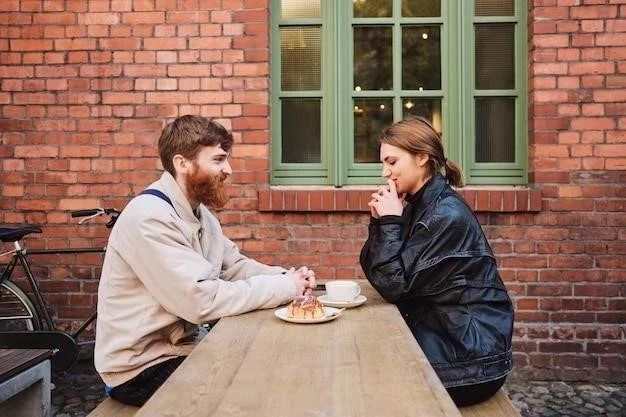
In the evolving landscape of human relationships, the term “casual dating” has emerged as a prominent and often misunderstood concept. Far from being a mere fleeting encounter, it represents a distinct approach to romantic and social connection that prioritizes flexibility, present enjoyment, and a lack of long-term commitment. In an era where personal autonomy and diverse lifestyle choices are celebrated, understanding the true meaning of casual dating is crucial for navigating contemporary romantic interactions. This article delves into what casual dating entails, its benefits, potential pitfalls, and how to engage in it mindfully and respectfully, embracing personal freedom.
What Exactly Is Casual Dating? A Definitive Look
At its core, casual dating signifies a relationship where individuals spend time together, often engaging in activities traditionally associated with dating (dinners, movies, social events, physical intimacy), but without the explicit or implicit expectation of a committed, long-term partnership. It’s an agreement, often unstated but mutually understood, that the connection is lighthearted, open-ended, and not geared towards marriage, cohabitation, or an exclusive boyfriend-girlfriend/partner status. Key characteristics include:
- No Long-Term Commitment: The defining feature. There’s no pressure to define the relationship, meet families, or plan for the distant future. This means no discussions about future plans as a couple, no pressure to introduce each other to close friends or family, and no expectation of exclusivity unless explicitly agreed upon.
- Focus on the Present: The emphasis is on enjoying the company, conversation, and shared experiences in the here and now. This involves appreciating the dates, conversations, and shared laughter without scrutinizing their long-term viability.
- Flexibility and Freedom: Both parties retain their independence, free to pursue other interests, friendships, and even other casual dating partners. This independence allows individuals to pursue personal interests, dedicate time to career aspirations, and maintain a robust social life beyond the casual relationship.
- Honest Communication (Ideally): While not always explicit from the first date, a healthy casual dating scenario involves an understanding that neither party is looking for something serious.
- Physical Intimacy: Often a component, but not a requirement. It can range from light affection to sexual encounters, depending on mutual comfort and boundaries.
- Emotional Detachment: While genuine enjoyment and affection can naturally develop, the core understanding is to manage emotional investment, preventing the deep attachment that characterizes serious relationships.
It’s important to distinguish casual dating from a “hookup,” which is typically a one-time or very infrequent sexual encounter with minimal to no expectation of further interaction. While casual dating can involve sex, it usually implies a recurring social interaction beyond just physical intimacy, even if not exclusive. This distinction is vital for setting appropriate boundaries and managing expectations from the outset, ensuring everyone involved understands the nature of the engagement.
The Allure: Benefits of Casual Dating
For many, casual dating offers a refreshing alternative to the often-stressful pursuit of a serious relationship. Its benefits are numerous and contribute to its growing popularity:
- Freedom and Independence: It allows individuals to maintain their autonomy, focus on personal goals (career, education, hobbies), and enjoy their single life without the demands of a committed partner. This newfound freedom allows for a more relaxed approach to dating, fostering genuine connections based on mutual enjoyment rather than future compatibility.
- Self-Discovery: Casual dating provides an opportunity to explore different personality types, understand one’s own preferences, likes, and dislikes in a partner, and learn more about what one truly seeks in a relationship without the pressure of making a permanent choice. It offers a low-stakes environment to test the waters with different personalities, explore various relationship dynamics, and refine one’s understanding of what truly makes them happy in a partnership.
- Reduced Pressure: The stakes are lower. There’s less pressure to impress, perform, or meet specific expectations, leading to more relaxed and authentic interactions; The absence of conventional relationship pressures allows for more authentic self-expression and reduces the anxiety often associated with seeking a ‘soulmate’.
- Fun and Companionship: It offers a source of enjoyable social interaction, companionship for activities, and often physical intimacy, without the emotional weight of a serious commitment.
- Healing After a Breakup: For those recently out of a long-term relationship, casual dating can be a gentle way to re-enter the dating scene, rebuild confidence, and enjoy company without rushing into another serious commitment. This can be a crucial step in healing, regaining self-confidence, and remembering the joy of human connection without the emotional intensity of a rebound relationship.
- Improved Communication Skills: Successfully navigating casual dating requires clear, honest communication about intentions and boundaries, which can significantly enhance one’s interpersonal skills. Mastering this skill in a casual context can be incredibly beneficial for all future interactions, romantic or otherwise.
Navigating the Waters: Potential Challenges and Pitfalls
Despite its advantages, casual dating is not without its complexities. Misunderstandings and emotional pain can arise if not handled with care and clear communication:
- Developing Uneven Feelings: Perhaps the most common pitfall; One person may start to develop deeper romantic feelings or expectations for commitment, while the other remains content with the casual nature. This imbalance can lead to heartbreak. One individual might begin to see a future, envisioning exclusivity or a deeper bond, while the other remains firmly rooted in the initial casual agreement. This divergence almost invariably leads to pain and disappointment.
- Unclear Expectations: If both parties aren’t on the same page about what “casual” means to them, misunderstandings are inevitable. One person might assume exclusivity while the other dates multiple people. Without clear upfront discussions, one person might assume they are exclusive, while the other is still actively dating multiple people, leading to feelings of betrayal and hurt when the truth emerges.
- Lack of Emotional Support: Casual relationships, by design, typically don’t offer the deep emotional support and intimacy found in committed partnerships. This can feel isolating during difficult times. The inherent lack of deep emotional investment means that a casual partner is unlikely to be your primary source of comfort, guidance, or empathy during personal crises, which can be a difficult reality to face.
- Jealousy and Insecurity: Even in a casual setup, seeing or knowing your casual partner is dating others can trigger feelings of jealousy or insecurity, especially if boundaries aren’t well-defined or if feelings start to deepen. These feelings can be particularly acute if one person secretly harbors desires for more and misinterprets casual interactions as signs of deepening affection.
- Social Stigma: While less prevalent now, some individuals may still face judgment or misunderstanding from friends, family, or society regarding their choice to engage in casual dating.
- Safety Concerns: As with any dating, especially when meeting new people frequently, personal safety should always be a priority. This includes physical safety, emotional well-being, and digital security.
The Foundation of Success: Setting Expectations and Boundaries
To make casual dating a positive experience for everyone involved, clear communication and boundary setting are paramount:
- Be Honest and Upfront: From the outset, or as early as comfortably possible, communicate your intentions. Are you looking for something serious or something casual? This prevents false hopes and ensures both parties are aligned. This honesty is the bedrock of any respectful casual arrangement, ensuring that both parties enter and remain in the dynamic with full awareness and consent.
- Define “Casual”: What does casual mean to you? Does it include physical intimacy? Multiple partners? Regular dates? Discussing these aspects ensures mutual understanding. Discuss whether you are comfortable with your partner dating others, what level of physical intimacy is acceptable, and how frequently you expect to see each other. Clarity here prevents future heartache.
- Establish Boundaries: What are you comfortable with? What are your limits regarding time spent together, emotional involvement, or physical intimacy? Respect your own and your partner’s boundaries.
- Regular Check-ins: Periodically, it can be helpful to check in with your casual partner about how they’re feeling and if their expectations have changed. This allows for adjustments or a respectful end to the arrangement if paths diverge. This proactive approach ensures that the relationship continues to serve both parties positively or can be gracefully concluded if circumstances or feelings evolve.
- Prioritize Your Well-being: Pay attention to your own emotional state. If you find yourself developing deeper feelings that aren’t reciprocated, or if the arrangement causes more stress than enjoyment, it’s okay to step away. This self-awareness prevents you from inadvertently hurting yourself or others by engaging in a dynamic that doesn’t align with your true emotional capacity.
- Practice Consent: Explicit and enthusiastic consent is non-negotiable in all aspects of any relationship, especially casual ones involving physical intimacy.
Who Benefits Most from Casual Dating?
While casual dating can appeal to a wide range of individuals, certain demographics and life stages often find it particularly suitable:
- Individuals Focused on Career or Education: Those whose primary focus is on professional growth or academic pursuits may not have the time or emotional bandwidth for a serious relationship. For instance, students or young professionals who are intensely focused on building their careers or pursuing advanced degrees may find that a serious relationship would divert too much precious time and energy.
- Recently Out of a Long-Term Relationship: After a breakup, casual dating can be a transitional phase, allowing individuals to heal, rediscover themselves, and enjoy company without the pressure of immediate commitment. It allows them to gradually re-acclimatize to the dating world, experience companionship, and regain their footing without the added stress of a committed partnership.
- People Exploring Their Sexuality or Preferences: It offers a safe and low-pressure environment to explore different types of connections, understand sexual preferences, and learn what they truly desire in a partner. Casual dating provides a low-pressure environment for self-exploration, helping individuals pinpoint their preferences and boundaries without the weight of long-term consequences.
- Those Not Ready for Commitment: Some individuals simply aren’t in a phase of life where they desire or are ready for a serious, committed partnership, preferring freedom and flexibility.
- Travelers or Those with Transient Lifestyles: Individuals whose lives involve frequent travel or relocation may find casual dating more practical than trying to establish a long-term, geographically stable relationship. This lifestyle choice often prioritizes personal growth and adventure, making a casual arrangement a more fitting and less complicated option.
Casual Dating vs. Other Relationship Dynamics
It’s helpful to differentiate casual dating from other similar-sounding relationship structures:
- Friends with Benefits (FWB): Typically involves two friends who add a sexual component to their existing friendship, often with clear rules against romantic entanglement. FWB arrangements typically start from an established friendship and then add sex, whereas casual dating usually begins with the intention to date (casually) and may or may not include sex.
- Hookups: Generally refers to one-off or very infrequent sexual encounters with minimal social interaction or expectation of future dates. Casual dating implies a recurring, albeit non-exclusive, social and potentially physical connection. This distinction is crucial for managing expectations and ensuring that both parties understand the depth and breadth of their connection.
- Serious Dating/Committed Relationships: These are characterized by exclusivity, a clear desire for a long-term future together, deeper emotional intimacy, and a significant investment of time and energy into building a shared life. Casual dating actively avoids these elements. These relationships are built on shared future plans, deep emotional vulnerability, and a mutual commitment to support and grow together through life’s challenges.
Tips for a Positive Casual Dating Experience
To ensure casual dating remains a healthy and enjoyable experience, consider these practical tips:
- Be Self-Aware: Understand your own emotional needs and boundaries. If you know you quickly develop deep feelings, casual dating might not be for you. If you are someone who easily forms attachments or struggles with ambiguity, casual dating might be a source of distress rather than enjoyment.
- Communicate, Communicate, Communicate: This cannot be stressed enough. Be explicit about your intentions and expectations. Openly discussing what you are looking for, what your boundaries are, and how you feel as the arrangement progresses is absolutely essential for a healthy casual dynamic.
- Respect Yourself and Others: Treat your casual partners with kindness and respect, just as you would want to be treated. Avoid ghosting or leading people on. This includes respecting their choices, feelings, and autonomy, even if your connection is not exclusive or deeply emotional.
- Don’t Make Assumptions: Never assume your casual partner feels the same way you do or expects the same things. Always clarify.
- Know When to End It: If the arrangement stops serving you, causes stress, or if one person’s feelings change, be brave enough to have an honest conversation and end things respectfully. If you start feeling neglected, used, or if your feelings are evolving beyond the casual agreement, it’s a clear sign that a conversation is needed.
- Prioritize Safe Practices: If physical intimacy is involved, always practice safe sex and ensure enthusiastic consent every time.
- Enjoy the Process: The beauty of casual dating lies in its lightness. Embrace the fun, the new experiences, and the companionship without the pressure. Remember, the goal is mutual enjoyment and respect, not just satisfying one person’s desires.
Casual dating, when approached with honesty, respect, and clear communication, offers a valuable and fulfilling path for many individuals in modern society. It’s not a lesser form of relationship but a distinct choice that caters to specific needs and life stages, providing freedom, self-discovery, and enjoyable companionship without the traditional demands of commitment. By understanding its true meaning, setting appropriate boundaries, and prioritizing mutual respect, individuals can navigate the world of casual dating successfully, enriching their lives while honoring their personal truths, discovering new aspects of themselves and others.